Coming Off Birth Control: How to Support Hormones & Restore Your Cycle Naturally
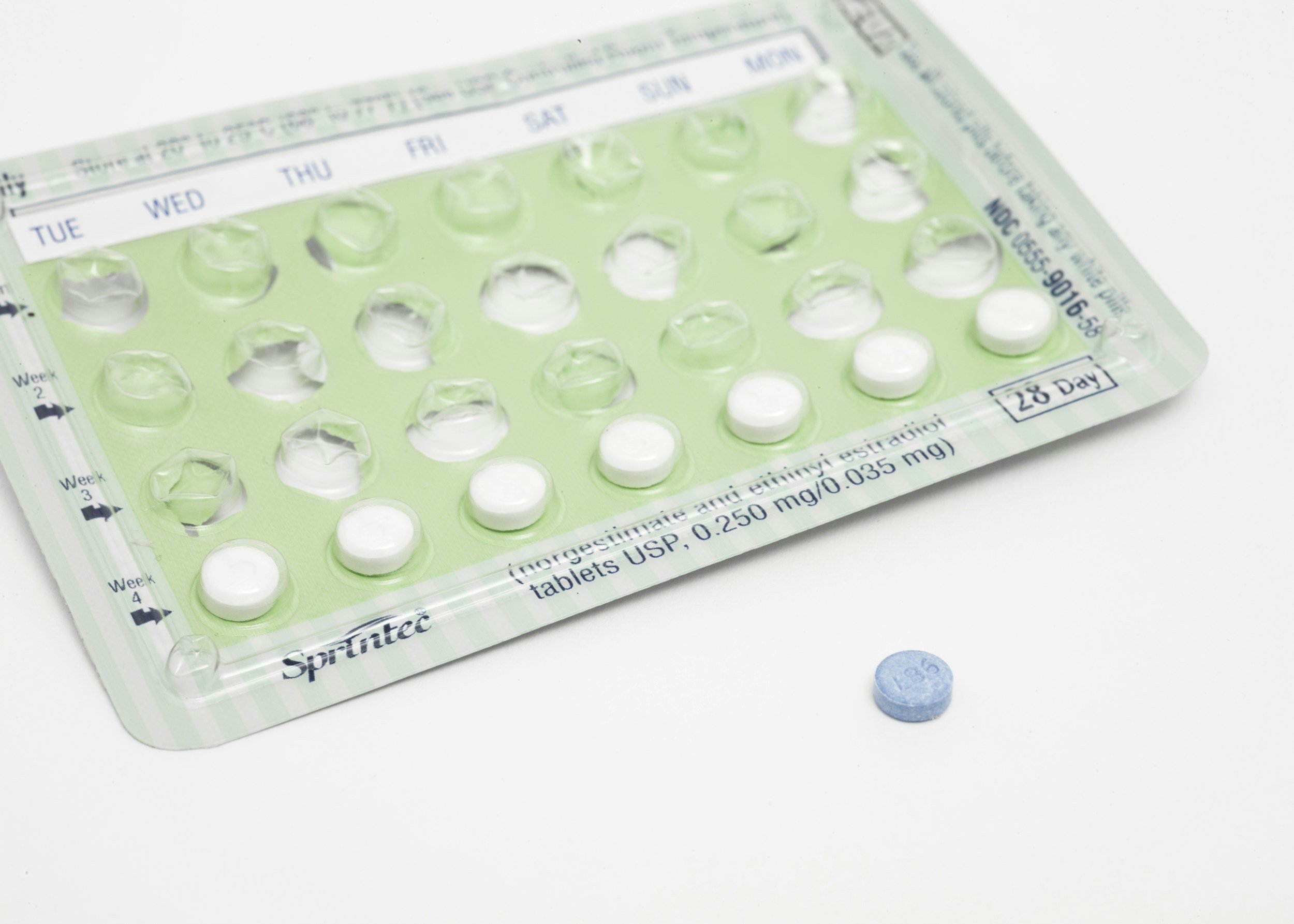
Coming off hormonal birth control is often described as simple: you stop the pill, remove the device, and your body “goes back to normal.”
But for many women, the transition is far more nuanced.
Cycles may take time to return. Skin can change. Mood may shift. Ovulation may feel uncertain. And for those trying to conceive, the question becomes: how long will this take—and is something wrong?
At Cultivate Nashville, we support women through this transition every day. From a Traditional Chinese Medicine (TCM) perspective, coming off birth control isn’t just a hormonal event—it’s a recalibration of the entire system.
This guide will help you understand what’s happening in your body, what’s normal, and how to support a smoother return to natural cycle rhythm.
What Happens When You Come Off Birth Control?
Most hormonal contraceptives work by suppressing ovulation and altering the body’s natural hormone signaling. While on birth control, your cycle is not a true ovulatory cycle—it’s a regulated hormonal pattern created externally.
When you stop, your body must:
re-establish communication between the brain and ovaries
resume ovulation
rebuild natural estrogen and progesterone rhythms
restore uterine lining development and shedding
This process takes time—and varies widely from person to person.
What Is “Normal” After Stopping Birth Control?
Some women ovulate quickly and resume regular cycles within a month or two. Others experience a longer transition.
Common post-birth-control experiences include:
delayed or missing periods
irregular cycle length
spotting between cycles
changes in cervical mucus
acne or skin flare-ups
increased PMS or mood changes
shifts in libido or energy
These changes don’t mean your body is failing.
They mean your body is relearning how to regulate itself.
Why Hormones Can Feel “Off” After Birth Control
1. Suppressed Ovulation Needs Time to Restart
Ovulation is a coordinated process involving the brain, pituitary gland, and ovaries. After suppression, this system can take time to re-synchronize.
2. Progesterone Often Lags Behind
Even when ovulation returns, progesterone production may be low at first. This can lead to:
short cycles
spotting before your period
anxiety or sleep disruption
intensified PMS
3. Underlying Imbalances May Re-Emerge
Birth control often masks symptoms like:
irregular cycles
acne
painful periods
PCOS patterns
When you stop, these underlying patterns can resurface—not because birth control caused them, but because it was covering them.
4. Nutrient Depletion
Hormonal birth control can deplete nutrients important for hormone regulation, including:
B vitamins
magnesium
zinc
folate
This can affect energy, mood, and cycle recovery.
5. Nervous System & Adrenal Stress
If your body has been under chronic stress, it may struggle to prioritize reproduction immediately. The body always chooses safety before fertility.
A TCM Perspective: Rebuilding the Foundation
In Traditional Chinese Medicine, coming off birth control is often understood as a period of rebuilding Blood, Qi, and Kidney energy.
Common patterns include:
Blood Deficiency
Associated with:
light or missing periods
fatigue
anxiety or poor sleep
Liver Qi Stagnation
Often shows up as:
PMS
mood swings
breast tenderness
cycle irregularity
Kidney Deficiency
Related to:
hormonal depletion
delayed ovulation
long or absent cycles
Rather than forcing a cycle, TCM focuses on restoring the internal environment so the cycle can return naturally.
How Acupuncture Supports Cycle Recovery
Acupuncture is uniquely suited for this transition because it works across multiple systems at once.
1. Restores Brain–Ovary Communication
Acupuncture helps regulate the signaling between the hypothalamus, pituitary, and ovaries—supporting ovulation.
2. Supports Hormone Balance
By improving circulation and reducing stress, acupuncture helps stabilize estrogen and progesterone patterns.
3. Improves Blood Flow to the Uterus
Healthy circulation supports endometrial development and regular shedding.
4. Calms the Nervous System
This is one of the most important aspects. When the body feels safe, it can prioritize reproductive function again.
5. Addresses Your Unique Pattern
No two post-birth-control experiences are the same. Treatment is tailored to your cycle, symptoms, and constitution.
How Long Does It Take to Regulate?
There is no single timeline, but generally:
1–3 cycles: early changes, initial ovulation attempts
3–6 cycles: more consistent rhythm for many women
longer timelines: for deeper depletion or underlying conditions
Supporting your body early can significantly shorten this process.
How to Support Your Body Naturally
Nourish Consistently
Eat enough, regularly, and with balance—protein, fats, and carbohydrates all matter.
Prioritize Rest
Hormone regulation happens in a rested body. Sleep is not optional here.
Avoid Over-Restriction
Excessive exercise, fasting, or dieting can delay ovulation further.
Support Digestion
In TCM, strong digestion = strong hormones.
Track Your Cycle
Even irregular patterns give valuable information.
When to Seek Support
Consider seeking care if:
your period hasn’t returned after 3 months
cycles remain irregular beyond several months
PMS, acne, or fatigue feel intense
you’re trying to conceive and not ovulating regularly
Early support can prevent longer-term imbalance.
Why Cultivate Nashville?
At Cultivate, we approach post-birth-control care with:
deep respect for your body’s timing
cycle-informed, individualized treatment
integration of TCM and modern hormone understanding
a calm, supportive environment for this transition
We don’t rush the process. We support it.
Ready to Support Your Cycle?
Coming off birth control is not something you need to navigate alone.
✨ Your body already knows how to cycle—it may just need the right conditions to remember.
👉 Book your hormone support consultation at Cultivate Nashville:
